Heavy snow and ice on the branches of trees and shrubs can cause considerable damage. Multi-stemmed evergreens, such as junipers and arborvitae, and weak-wooded deciduous trees, such as Siberian elm and silver maple, are most susceptible to branch breakage. Improper removal of ice and snow can increase the amount of damage to trees and shrubs.. To mitigate snow and ice damage, homeowners should regularly inspect their trees throughout winter. Gently shaking off accumulated snow can relieve pressure, and pruning branches that are at risk can be a proactive measure. In some cases, professional arborists can provide support and recommend treatments to ensure the tree’s recovery.

Snowy Forest
Images of Snowラディッシュバケーション!! JapaneseClass.jp

Record snowfall buries California mountain town ABC News
Snowing Wallpaper Hd
Snowy Landscape Wallpaper

Snowy Forest Backgrounds

Snow Covered Road Beautiful Winter Scenes
Snow Mountains
Snow
Snow Backgrounds (60+ images)
Snow 4K Wallpapers Top Free Snow 4K Backgrounds WallpaperAccess
Snow 4K Wallpapers Top Free Snow 4K Backgrounds WallpaperAccess
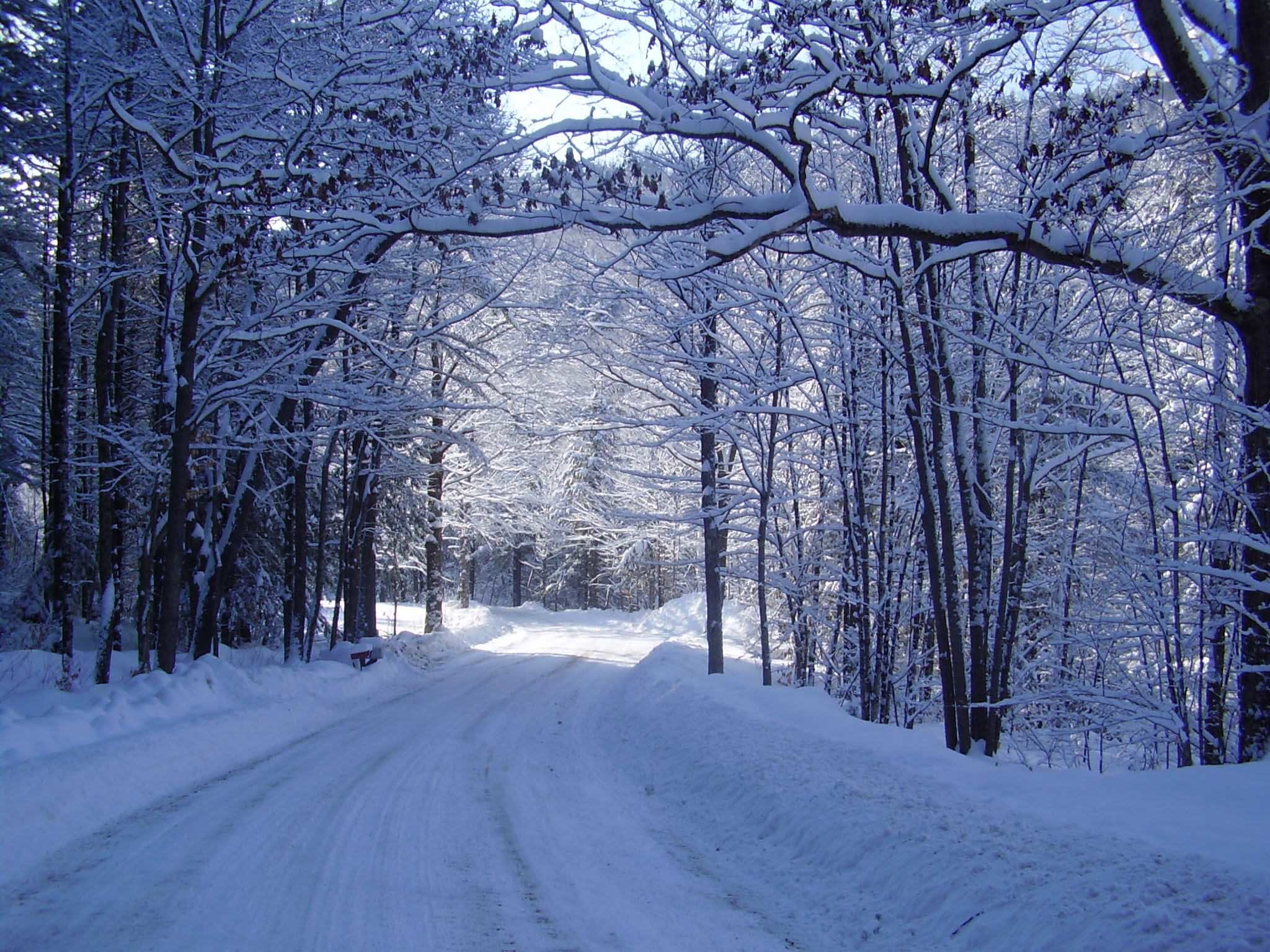
Beautiful Snowy Scene Wallpapers (49+ images)
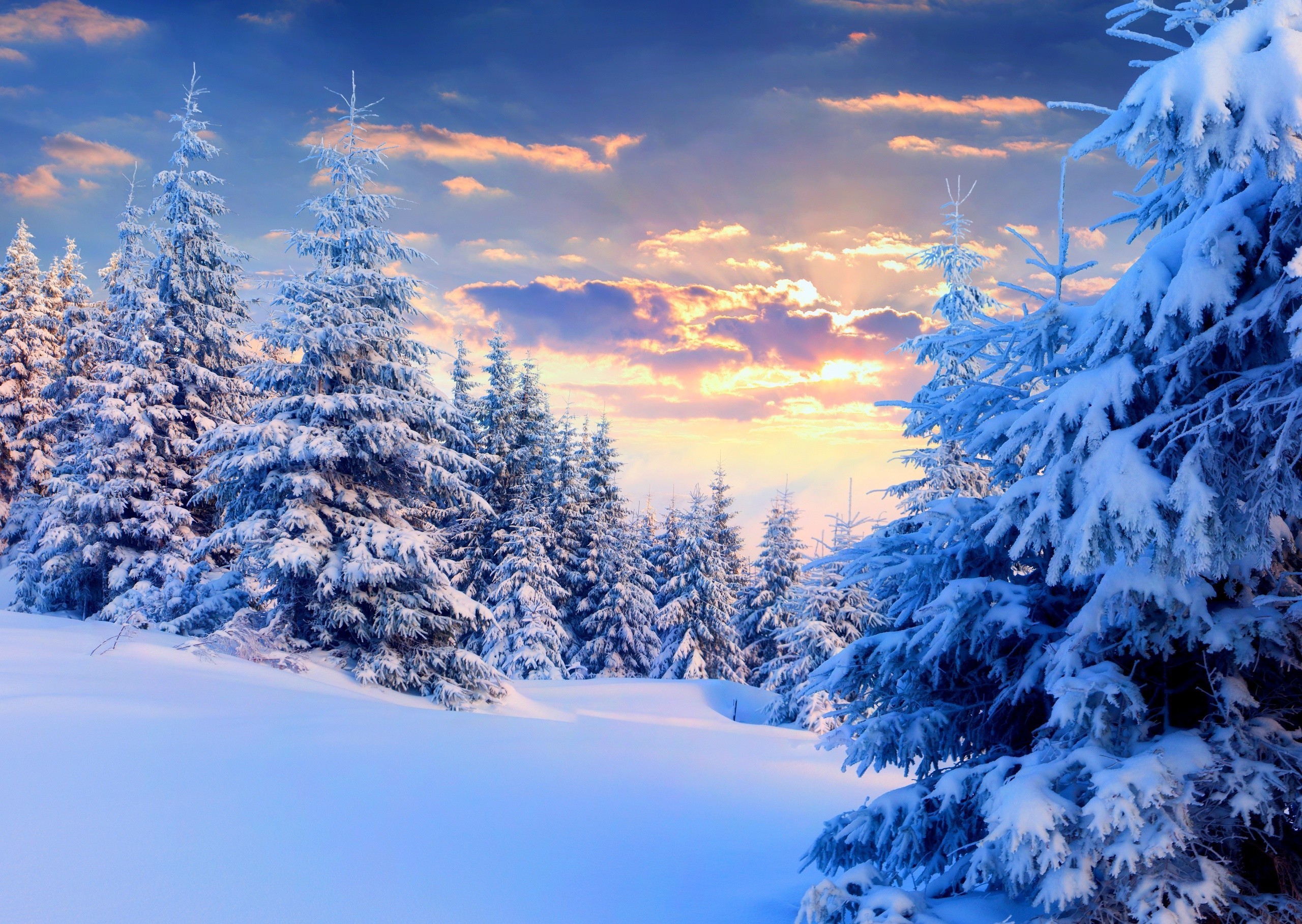
Dusk Snow Scenery
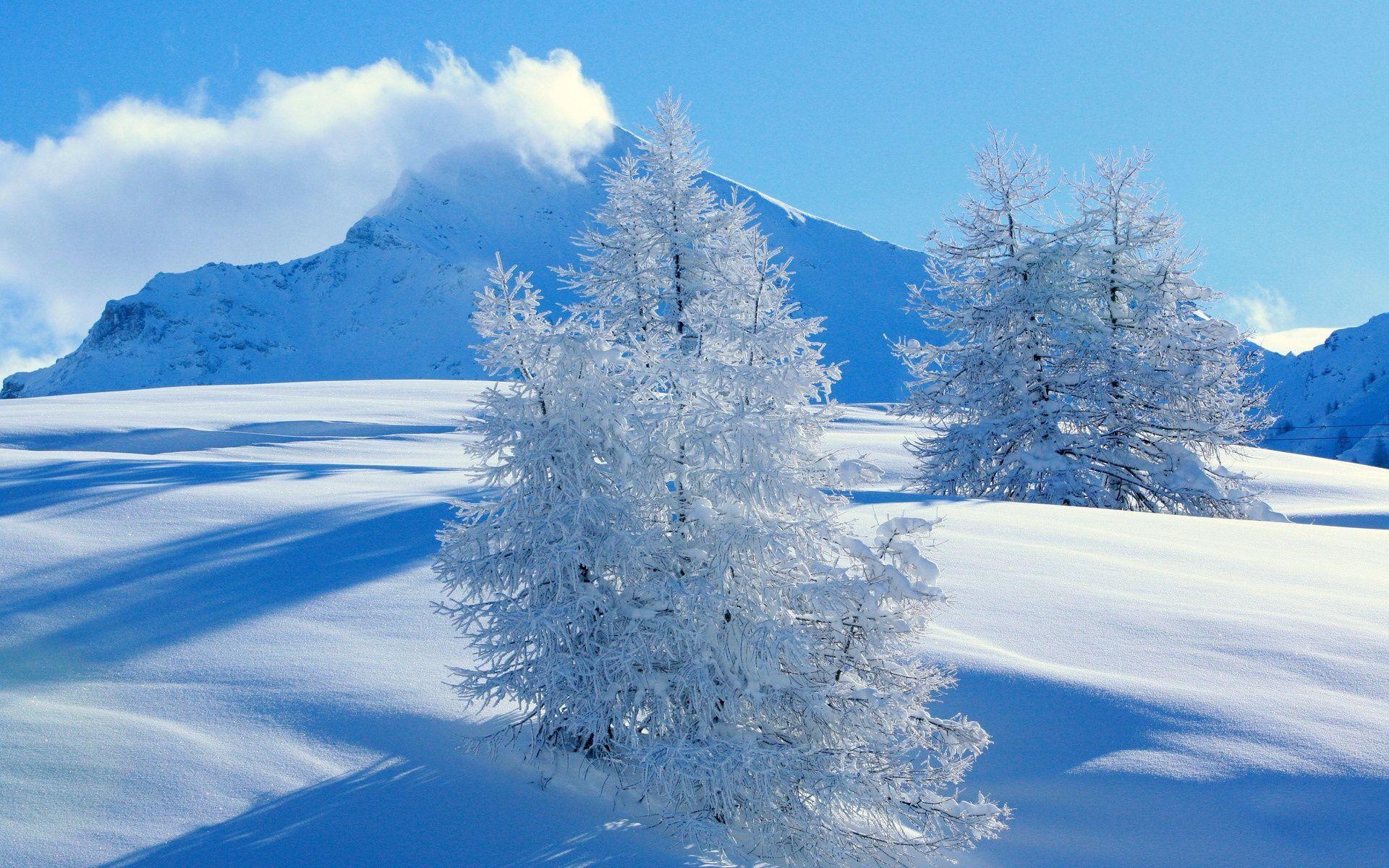
Landscape Photography Snow

Winter Snow Background (50+ pictures) WallpaperSet
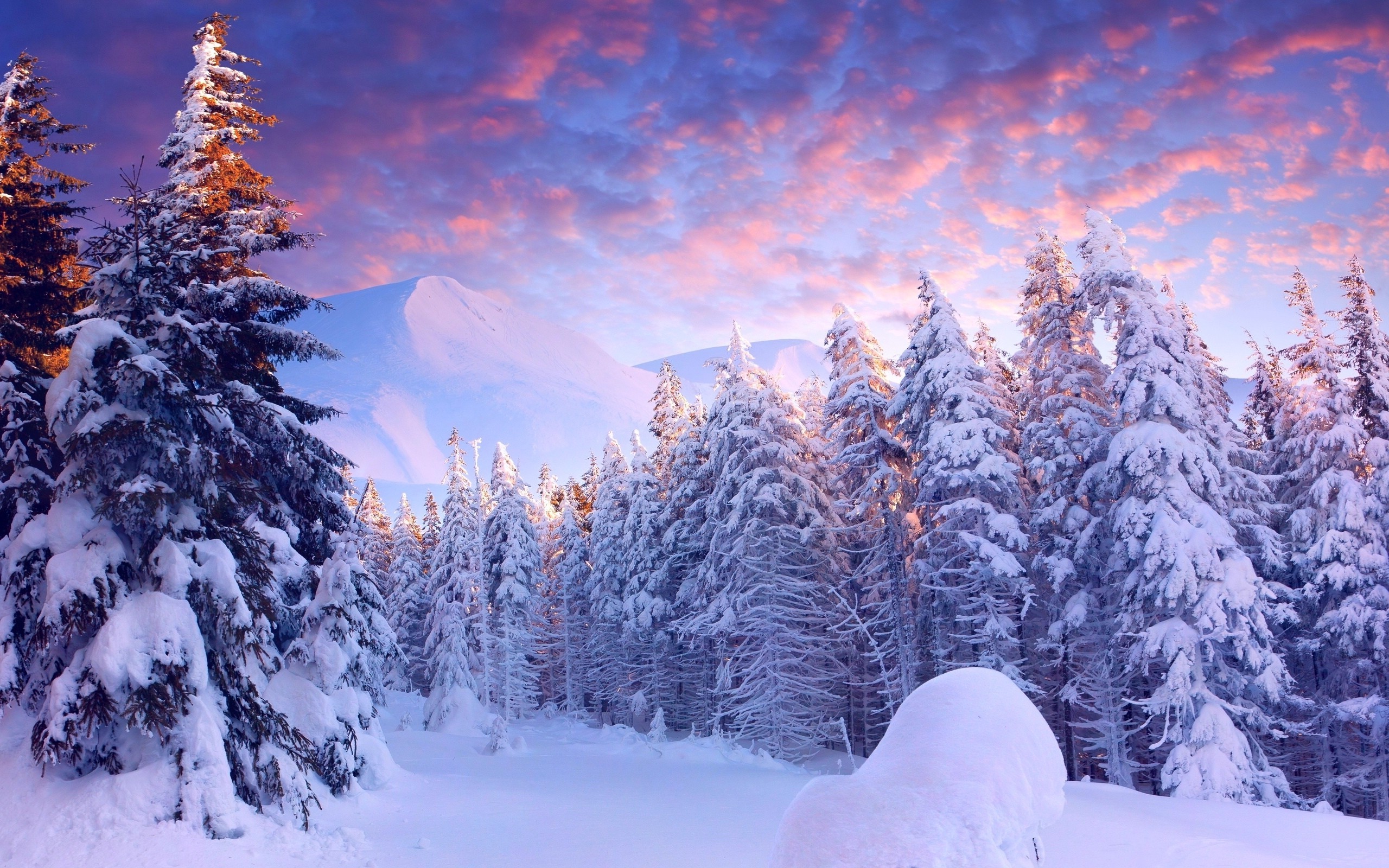
snow, Landscape, Trees Wallpapers HD / Desktop and Mobile Backgrounds
Mountain Snow Wallpapers Top Free Mountain Snow Backgrounds
Winter Snow Scenes Wallpapers Wallpaper Cave
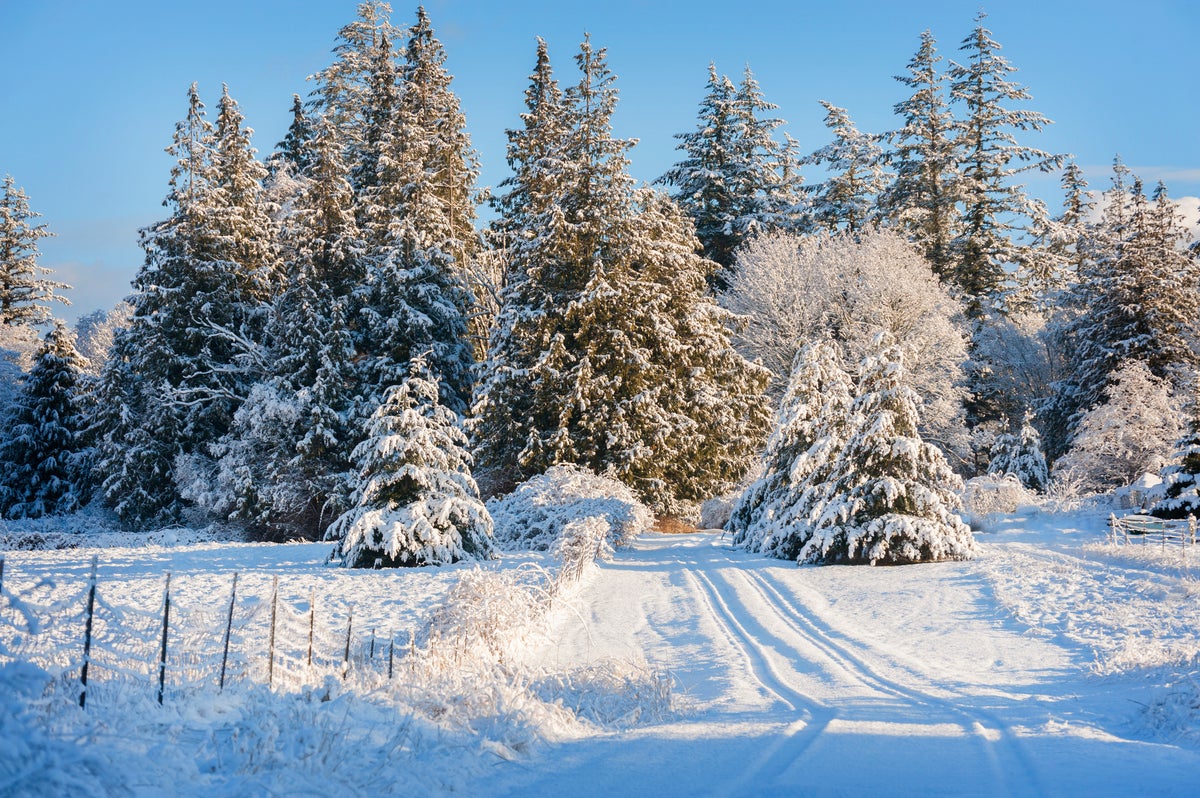
Love Snow? Here’s How It’s Changing Scientific American
Bundling branches prevents snow and ice from weighing down. Tying the branches of susceptible evergreen trees is a means of preventing winter damage before a heavy snowfall or storm.. Heavy snow and ice storms can cause major damage to trees and shrubs. Who hasn’t heard the sound of tree branches cracking and breaking under the weight of ice? Homeowners often ask whether their plants are better served by knocking off ice and snow or by leaving it alone until it melts.